

When the French come to China for tourism, they immediately roar when they get off the plane: China on TV is fake!
I brought anti-theft spray to China, only to be busted by high-speed trains and code scans. Pierre, a Parisian native with a wire lock and anti-wolf spray stuffed into the side pocket of his backpack, set foot on Beijing with all the "knowledge reserves" he had accumulated from watching BBC documentaries. He thought he would be greeted by the ubiquitous oppression of the news, but three hours after the plane landed, he sat in front of a barbecue stand in Sanlitun, gulped down a beer and muttered a French national curse at the prompt "Pay successfully" on his phone screen. He felt like a fool who had carefully prepared a raincoat to go to the Sahara Desert. The first thing to break the defense was nothing but the airport.
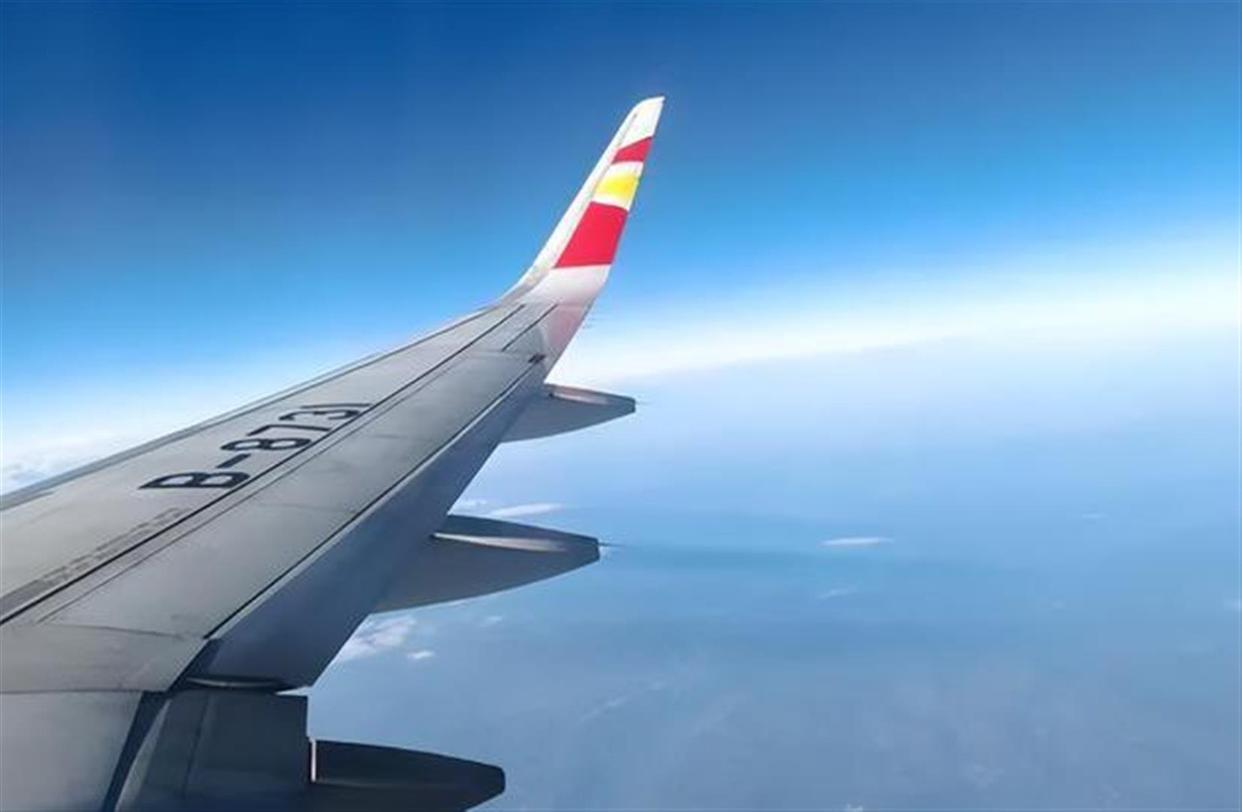
At Charles de Gaulle Airport in Paris, strikes are a fixture on the calendar, and you are lucky to be able to check in after waiting in line for two hours. Pierre is used to that slow, French-lazy and resentful waiting. So when he followed the flow of people into Terminal 3 of Beijing Capital Airport, from the check-in counter to walking out of customs with his passport, he subconsciously pinched his watch. 18 minutes. He repeatedly checked the timer on his phone twice. Above the conveyor belt, a screen clearly shows how many meters his suitcase has left to reach the platform, with the precision of a scene from a science fiction movie. A few European-faced tourists next to him were already taking pictures with their mobile phones, and Pierre couldn't help but take out his mobile phone and send an Instagram: "De Gaulle, open your eyes and see, are you sure this is not the 21st century we should have?"
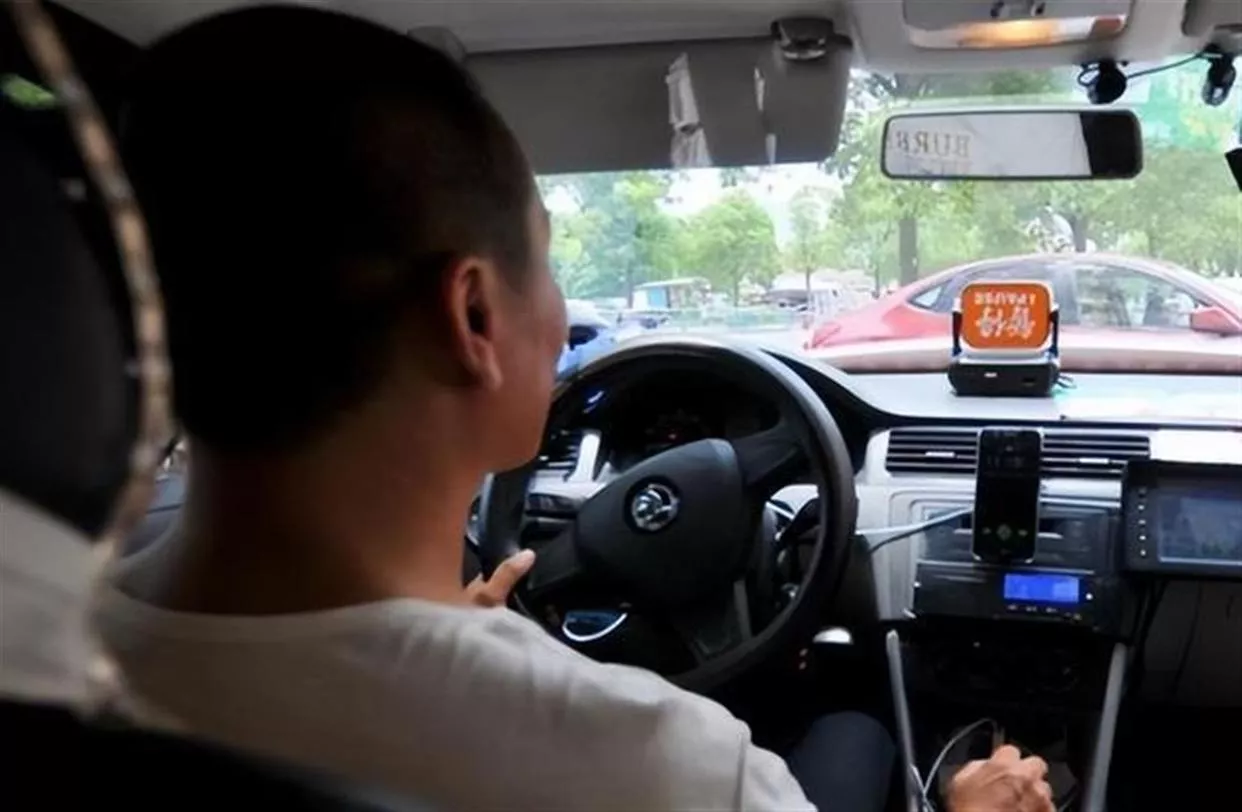
The experience of hailing a taxi continued to impact his cognition. The driver talked to the navigator in Chinese the whole time. Pierre couldn't understand a word, but his eyes were fixed on the number that dashed next to the dashboard. It was the estimated fare. From the airport to the hotel, the number slowly increased along the way, and the amount that finally stopped was exactly the same as the number automatically deducted by the mobile app when getting off the bus. The electronic invoice was sent to his mailbox synchronously. He remembered the taxis in Paris. The meter skipped the meter at a speed that was sometimes more erratic than his heartbeat. When he got off the bus, he had to be prepared for the wallet to be slaughtered by "artistry". Pierre smiled wryly. It turned out that "being slaughtered" is not a global rule, but may just be a "hometown characteristic" of Paris.
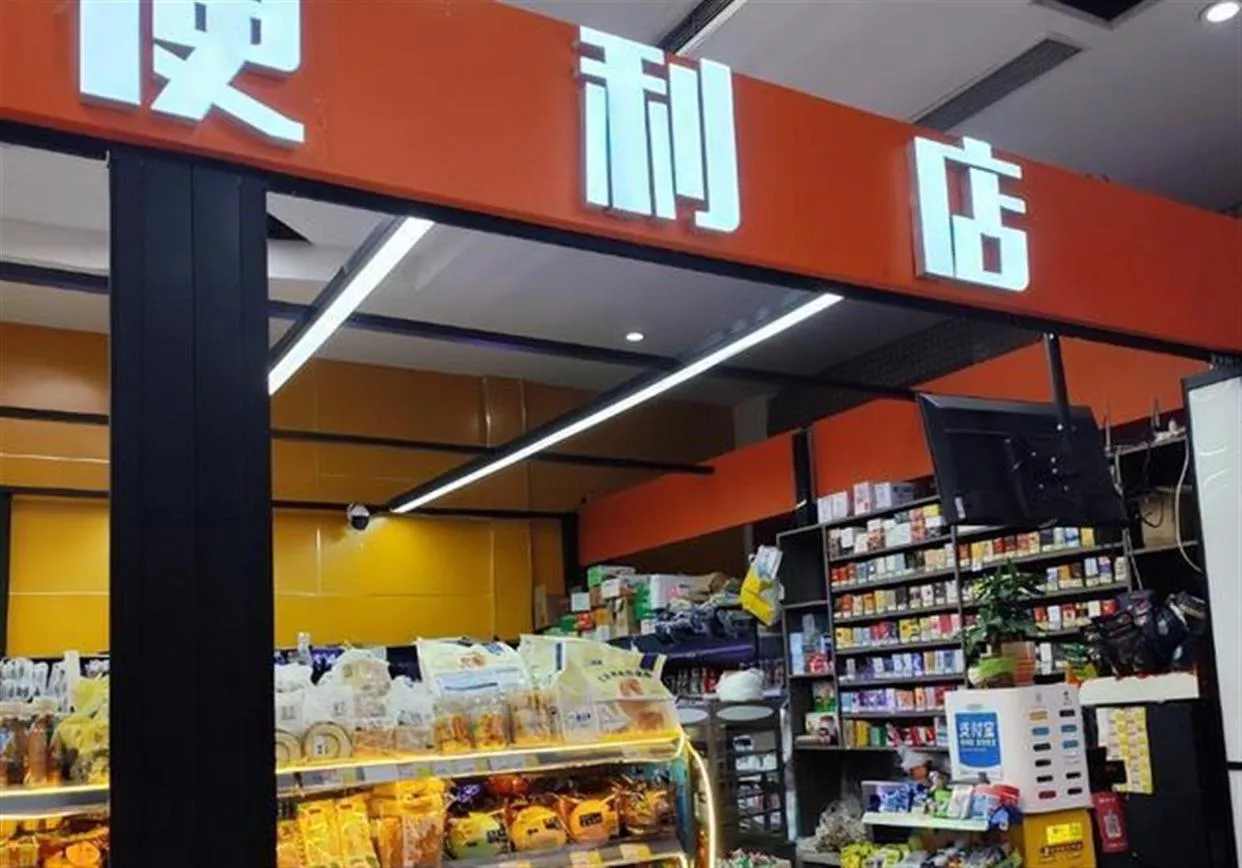
The real culture shock happened at eleven o'clock in the middle of the night. His mobile phone battery tenaciously turned on a red alert, leaving only 3%. At the entrance of a hutong, he found a sausage stall that was still open, and with the mentality of giving it a try, he pointed to the small square hung on the shelf by the stall owner. The stall owner's eldest brother understood in seconds, and quickly handed over a shared power bank. Pierre scanned the code with his mobile phone, but there was no deposit, no complicated registration, and the power bank popped out with a "click". While renewing the life of his mobile phone, he couldn't help but ask the stall owner in broken English mixed with gestures: "What if... I take this and run away and don't come back? The stall owner was stunned for a moment, then shrugged his shoulders, smiled and pointed to an inconspicuous small gray box on the street lamp pole, with a small blue light flashing on it. "Where are you going? It's watching." At that moment, the eerie "Big Brother" image in Pierre's mind from the BBC documentary shattered with a "snap". He suddenly felt that this little box flashing blue light did not look like a spy on him, but more like a silent night bodyguard, making this strange city seem less alarming at night.
The next day, he decided to experience the legendary Chinese high-speed rail. The destination was Tianjin, for a bite of authentic pancake fruit. 28 minutes. This is the journey time marked on the train schedule. Pierre sat in the spacious seat, a little dazed. It takes 1 hour and 57 minutes to take the fastest TGV from Paris to Lyon, and you have to pray in advance that the railway union will be in a good mood and not go on strike that day. The carriage was eerily quiet, and he could even hear the subtle sound of liquid rubbing against the wall of a woman's cup of coffee in the next seat as it was gently shaken. He picked up the water glass in front of him and placed it on the small table board by the window. The scenery outside the window began to fly backward at an alarming rate, but the water in the cup was as calm as a mirror, with only extremely subtle ripples. He calculated an account: Beijing to Tianjin, 117 kilometers, a second-class seat ticket costs tens of yuan, or about 0.18 euros per kilometer. This price is cheaper than taking the subway from central Paris to Versailles. He took a picture of the reflection of the water cup and sent it to his friend who complained about traffic all day in France, with the caption: "Look, this is the cure for my'strike post-traumatic stress disorder '."
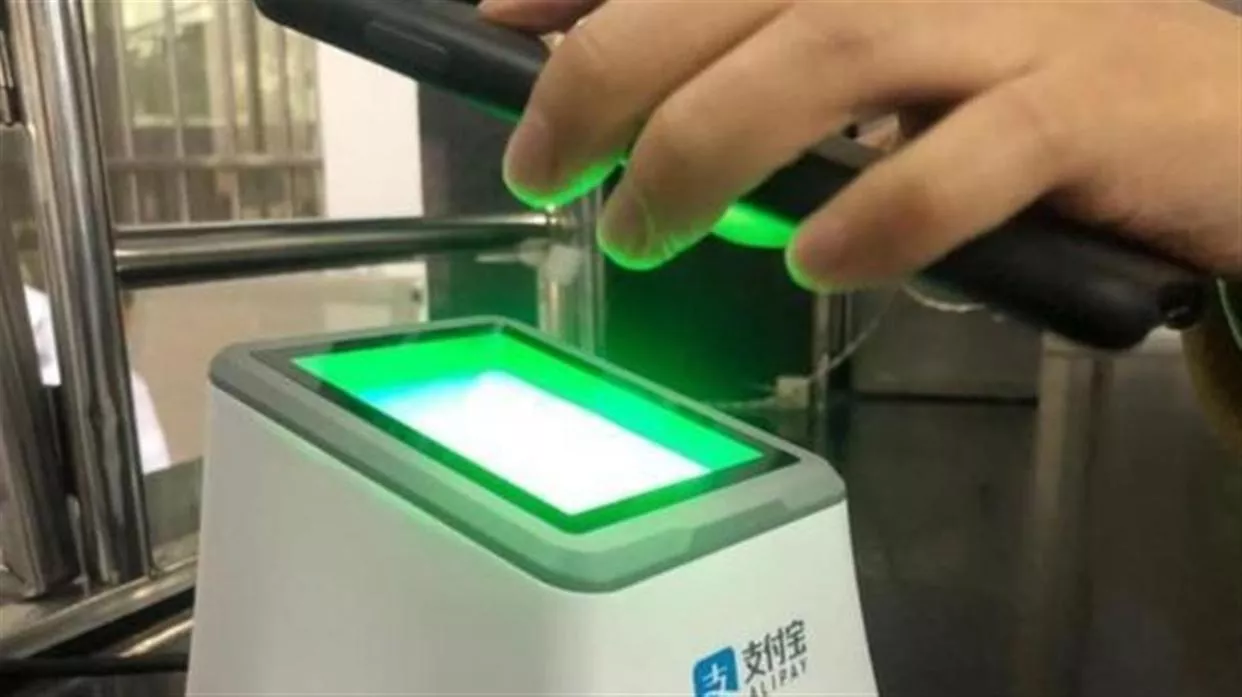
After returning from Tianjin, he got into the Beijing subway. There was no physical ticket, no line to buy a card, the Alipay App on his mobile phone called up the QR code, scanned the gate, and with a "beep", the gate opened. It was so smooth that he felt like a primitive person who had been rummaging through the subway station for change coins. What shocked him even more, as a Parisian, was that he needed to go to the bathroom, and he had already made a mental construction to face the odor and bad environment. As a result, he walked in, and it was clean, with free toilet paper, and there was not even the smell of public toilets in the air. He looked up and saw a small device that read "Intelligent Deodorizer" hanging on the wall. Pierre took out his phone on the spot, dialed a video call to his friend, and pointed the camera at the toilet. "Hey, look! The toilet in the subway station! Free! With paper! And an air purifier!" The friend was silent for two seconds on the other end of the screen, and replied: "Okay, stop showing off, the classic smell of urine in the Paris subway is an inseparable part of our French romance, understand?"
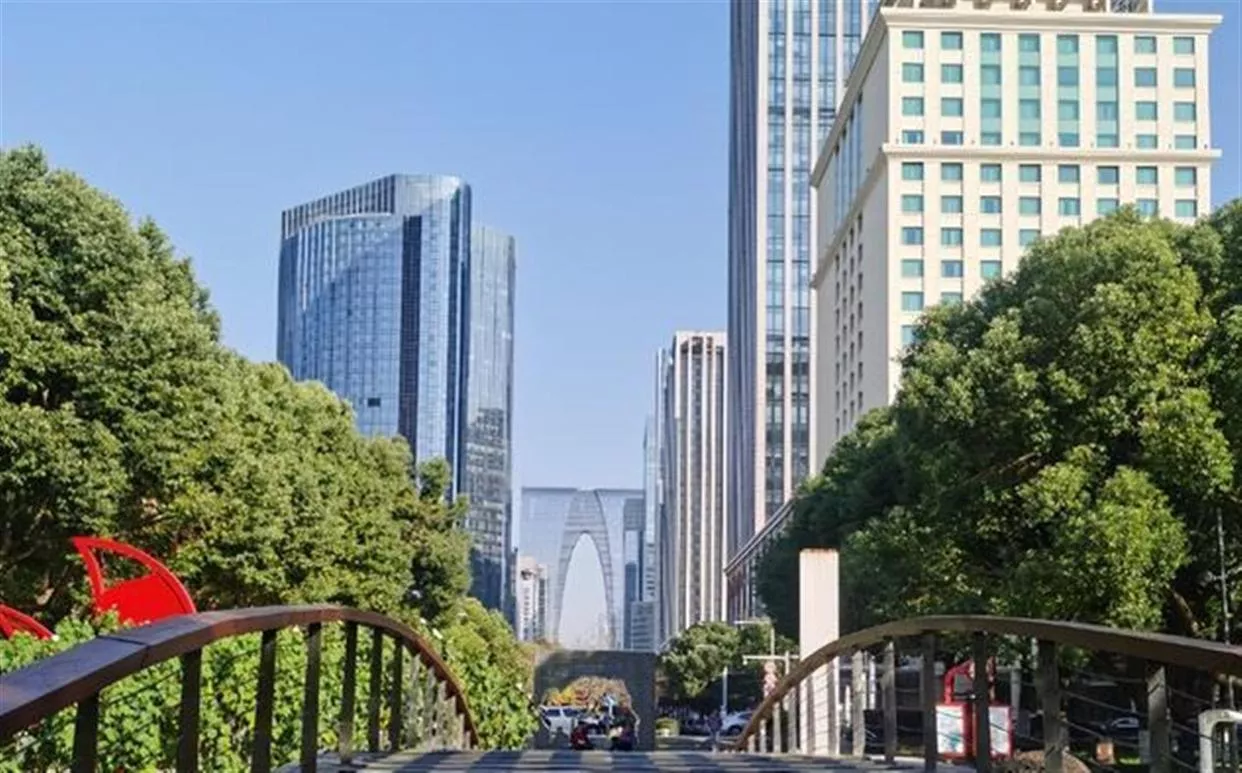
For four days, the anti-theft wire lock in his backpack that he didn't use once became the greatest irony. Not only did he not encounter any imagined danger, but he experienced a firework-filled "worldly knowledge" in Xiushui Street and the market. He liked three silk scarves, and the boss asked for 380. Pierre remembered the "haggling culture" in the guide, and braved his head and pressed 120 with the calculator. After a series of exchanges between you and me, you actually made a deal for 120 yuan. When the boss packed the scarf and handed it to him, he patted him on the shoulder and said in accented English: "Dude, amazing! Next time bring more French friends, I will give you the VIP price! "Pierre walked out of the market with the bag in his hand, and the feeling in his heart was very strange. It was not a secret joy of taking advantage, but a sense of lively participation. It turned out that" bargaining "is not necessarily a fraud, but also a way of communication.
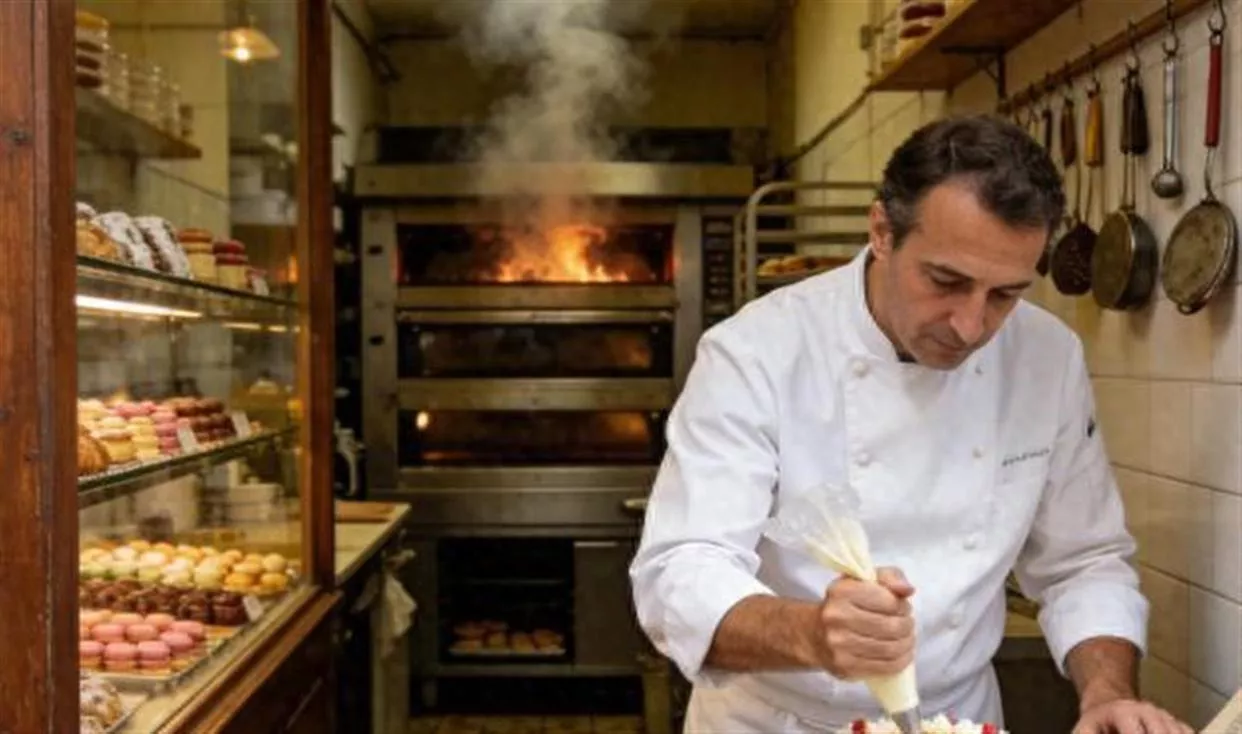
Before he left, he stuffed his last Rmb500 in cash into the "charity donation box" at the front desk of the hotel. Back in Paris, he hung a small chalkboard in front of the bakery where he worked, with recommendations for new products written in floral characters: "Beijing high-speed rail pancakes" and "Tianjin twist croissants". A regular customer pointed curiously at the chalkboard and asked: "Pierre, is China really as good as you say? It's completely different from what's on TV?" Pierre was kneading the dough, without lifting his head, just swinging his rolling pin in his hand, swinging it in the air, and said with a smile: "Don't ask me. Buy a plane ticket and go there yourself. I promise, when you come back and watch CNN, you'll think it's an elaborate comedy channel. "
His story has spread around the block and on social media. Some people think he is too exaggerated, brainwashed by Eastern mysticism; others silently add "travel to China" to the list of life because of his experience. Pierre is no longer eager to debate with everyone. He only occasionally thinks of the small box shining blue on the street lights in Beijing and the glass of motionless water in the Tianjin high-speed railway station when packing "Tianjin Twist Croissant" for customers. He began to think about a question: Do we know a place through the lens and words, or through our own feet and eyes? How far are we from "truth" when a narrative is powerful enough to cover the real, trivial, warm daily experiences of countless individuals? He had no answer to that question, but he knew that, for him at least, the security wire lock that had been in the side pocket of his backpack and was eventually brought back to France intact said more than any lengthy report.
